Cargo Theft Trends & Statistics


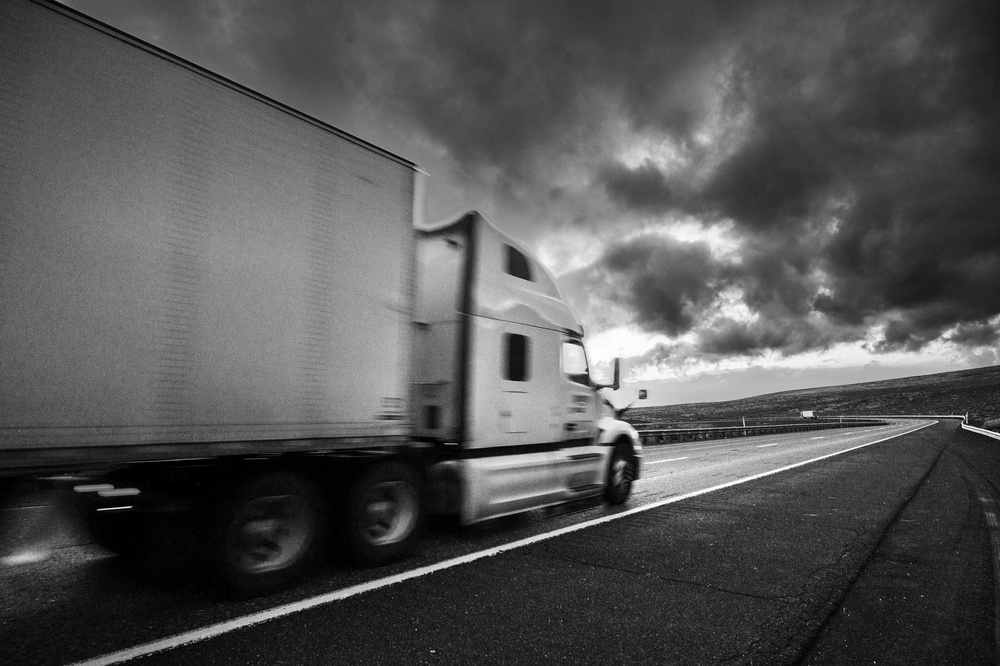

Cargo theft is rising as criminals use more sophisticated fraud, cyber tactics, and organized schemes. For shippers, that shifts the problem from physical security to verification: knowing who is actually picking up a load, where it is, and what changed since dispatch. This report covers the latest cargo theft trends, regional hotspots, common tactics, and ways to reduce exposure.
Cargo theft trends show rising theft frequency and financial losses, with criminals increasingly targeting high-value, easy-to-resell freight.
Drawing on claims from the BSI Consulting and TT Club 2025 Cargo Theft Report, we examine global and regional cargo theft trends.
North America’s 2025 cargo theft trends centered on high-value, easy-to-resell goods and a noticeable shift in the transportation modes thieves targeted.
Across Europe, cargo theft remained a significant supply chain risk in 2025, with Germany (27%), Italy (13%), the UK (9%), France (6%), and Spain (6%) recording the highest numbers of incidents.
In-transit theft and hijacking continued to define cargo theft across South America in 2025, with organized crime driving both volume and violence.
Cargo theft and smuggling increased across Asia in 2025, with India, Indonesia, China, Bangladesh, and Vietnam most affected.
Cargo theft risks vary by country, shaped by local infrastructure, organized crime, enforcement gaps, and supply chain vulnerabilities.
| Country (share of global incidents) | Common types of theft | Underlying causes | 2025 trends |
| Brazil (22%) | In-transit theft, hijacking, document fraud, GPS interference, and insider theft. | Organized crime, fraud, technology, and insider involvement drive losses. | Remained a major threat, with criminals using GPS interference and other technology to target high-value shipments. |
| Mexico (15%) | Hijacking, in-transit theft, vehicle theft, and blockades. | Organized crime and heavy freight traffic increase the risk of in-transit theft. | Hijacking remains the leading method, with organized groups expanding into rail cargo theft. |
| India (13%) | Facility, insider, pilferage, and vehicle theft. | Weak inventory controls and insider collusion make warehouses and production facilities key theft risks. | Rise in insider involvement and in pharmaceutical theft, historically infrequent in the market. |
| United States (11%) | Fictitious pickups, vehicle and trailer theft, double and triple brokering, facility theft, and rail theft. | High freight volumes, major ports, unsecured staging areas, cybersecurity gaps, and fragmented enforcement create multiple opportunities for theft. | Increase in rail theft as organized groups used stolen credentials, fake identities, fraudulent carrier accounts, GPS tampering, and route diversions. |
| Indonesia (5%) | Facility, insider, vehicle, and maritime theft. | Insider collusion, weak inventory controls, economic pressures, and inconsistent enforcement increase the risk of theft across the region. | Piracy rose across regional waters before targeted arrests helped moderate activity later in 2025. |
| Germany (3%) | Facility, vehicle, slash-and-grab, and fictitious pickup theft. | Warehouse vulnerabilities, major freight corridors, and unsecured parking areas increase the risk of theft. | Driver impersonation and electronics theft were among the biggest cargo theft risks. |
| China (3%) | Facility theft, insider theft, bulk commodity theft, and cyber-enabled strategic theft. | Complex supply chains, insider collusion, weak controls, and freight-platform vulnerabilities create more opportunities for theft. | Rare earth mineral theft emerged as a concern as organized groups also targeted coal and grain using fake driver and company accounts. |
Cargo thieves combine physical attacks, fraud, cyber-enabled schemes, and insider access to steal or divert shipments at different points across the supply chain.
Physical theft occurs when cargo is taken directly from trucks, warehouses, or other freight locations. Examples range from hijackings and warehouse break-ins to theft from vehicles parked at unsecured lots or rest stops.
Fraud-based theft uses deception to gain control of a shipment. Common tactics include fictitious pickups, carrier or driver impersonation, fake documentation, and double brokering.
Cyber-enabled theft leverages compromised logistics data and digital tools to divert shipments. Common tactics include phishing, email compromise, fake identities or company accounts, data scraping, AI-assisted targeting, and misuse of freight platforms.
Insider-enabled theft occurs when employees, drivers, contractors, or other trusted parties misuse their access to support cargo theft. Examples include sharing sensitive shipment details, helping organized theft groups, or using authorized access to remove cargo without permission.
Organized groups drive a large share of cargo theft because they study freight networks rather than wait for opportunity.
Keith Lewis, vice president of operations at Verisk CargoNet, attributes rising losses to criminal enterprises becoming more selective about high-value shipments.
BSI Consulting and TT Club point to layered defense over single-point security: shipment tracking, personnel and carrier vetting, cybersecurity controls, secure parking, and industry information sharing working together rather than in isolation.
The gap we see most often at mid-market shippers isn’t physical security — it’s carrier verification. A fictitious pickup defeats a well-locked yard, because the load leaves through the front gate with paperwork that looks correct.
Cargo theft prevention requires layered security, including carrier vetting, shipment visibility, physical safeguards, employee training, and response procedures.
Verify carrier identities, conduct background checks, and watch for signs of fraudulent operators. Add extra verification for any unexpected changes.
Leverage real-time tracking, geofencing, and secure communication to monitor shipments in transit.
Prioritize secure parking facilities, limit unnecessary stops, and avoid leaving loaded trailers unattended in unsecured locations.
Train drivers, dispatchers, warehouse staff, and transportation teams to recognize phishing attempts, social engineering, suspicious pickup requests, and unusual changes to shipment instructions.
Use predictive analytics, intrusion detection, tamper-evident seals, and GPS tracking to strengthen shipment security.
Establish clear incident-response workflows and crisis-communication procedures before theft occurs.
The rise in cargo theft is forcing shippers to shoulder replacement costs, delivery delays, customer disruption, higher security expenses, and more complicated insurance claims.
Fraud-based theft defeats a shipment even when trucks, warehouses, and physical security measures are in place. Higher-value losses also drive insurance costs, inventory availability, customer commitments, and transportation budgets.
This is where a Managed Transportation model changes the shipper’s position. Because we’re non-asset and carry zero conflict of interest, we vet carriers on the shipper’s behalf with no carrier alignment to protect — the verification step fraud-based theft depends on defeating. Logistics data does the rest: exceptions surface as they happen rather than at delivery.
Shippers evaluating that model should understand what a 3PL does and how a partner vets carriers, manages exceptions, and maintains shipment visibility.
Shippers can close the most common gaps in 30 days by working through carrier records, lane exposure, visibility, and team readiness in that order.
Cargo theft is becoming more coordinated, fraud-driven, and organized, raising the stakes for shippers and logistics providers. Companies that strengthen carrier controls, improve shipment visibility, and layer physical, digital, and operational safeguards will be better positioned to reduce the risk of theft and protect supply chain performance.
Cargo theft is a verification problem before it’s a security problem. If you want a clear view of how your carriers are vetted and where your network carries exposure, let’s talk.
What types of cargo are most frequently targeted by thieves?
Food and beverage, metals, electronics, pharmaceuticals, and other high-value or easy-to-resell goods are common targets.
What role does technology play in both enabling and preventing cargo theft?
Criminals use technology for phishing, impersonation, and shipment diversion, while shippers use GPS, geofencing, analytics, and authentication to detect and prevent theft.
How can small and mid-sized businesses protect themselves against cargo theft?
Small and mid-sized businesses reduce risk through stronger carrier vetting, shipment visibility, secure parking, and employee training.
What should a company do immediately after discovering a cargo theft incident?
Report the theft, notify transportation partners and insurers, preserve shipment records, and follow the company’s incident response plan.
Are there specific times of year when cargo theft is more common?
Cargo theft risk rises around holidays and extended weekends, when freight sits unattended for longer periods.
How does cargo theft affect insurance premiums and coverage?
Higher theft exposure leads to higher premiums, stricter security requirements, larger deductibles, and tighter coverage terms.
BSI Consulting & TT Club. (2026). BSI Consulting and TT Club 2025 Cargo Theft Report. TT Club. https://www.ttclub.com/fileadmin/uploads/tt-club/Documents/Corporate_Literature/TT_Club_BSI_2025_Cargo_Theft_Report_FINAL.pdf
BSI. (2026). TT Club and BSI report rise in cargo theft as criminal tactics evolve. BSI Group. https://www.bsigroup.com/en-US/insights-and-media/media-center/press-releases/2026/april/tt-club-and-bsi-report-rise-in-cargo-theft-as-criminal-tactics-evolve/
CargoNet. (2026). Cargo theft losses surge to an estimated $725 million in 2025, Verisk CargoNet analysis reveals. CargoNet. https://www.cargonet.com/news-and-events/cargonet-in-the-media/2025-theft-trends/
Sheer Logistics. (n.d.). Managed transportation services for shippers. Sheer Logistics. https://sheerlogistics.com/managed-transportation-services/
Sheer Logistics. (n.d.). What is a 3PL brokerage? Sheer Logistics. https://sheerlogistics.com/blog/what-is-a-3pl-brokerage/
Fryer, N. (2026). Logistics data: Transforming business operations and driving success. Sheer Logistics. https://sheerlogistics.com/blog/logistics-data-transforming-business-operations-and-driving-success/
St Louis HQ
635 Trade Center Blvd.
Chesterfield, MO 63005
Chicago Office
505 N La Salle Dr. Suite 300
Chicago, IL 60654
Laredo Office
8206 Killam Industrial Blvd.
Laredo, TX 78045
Atlanta Office
10745 Westside Way #265
Alpharetta, GA 30009

 Cargo Theft Prevention for Shippers & 4PLs
This site uses cookies. By continuing to browse the site, you are agreeing to our use of cookies.
OKLearn moreWe may request cookies to be set on your device. We use cookies to let us know when you visit our websites, how you interact with us, to enrich your user experience, and to customize your relationship with our website.
Click on the different category headings to find out more. You can also change some of your preferences. Note that blocking some types of cookies may impact your experience on our websites and the services we are able to offer.
These cookies are strictly necessary to provide you with services available through our website and to use some of its features.
Because these cookies are strictly necessary to deliver the website, refusing them will have impact how our site functions. You always can block or delete cookies by changing your browser settings and force blocking all cookies on this website. But this will always prompt you to accept/refuse cookies when revisiting our site.
We fully respect if you want to refuse cookies but to avoid asking you again and again kindly allow us to store a cookie for that. You are free to opt out any time or opt in for other cookies to get a better experience. If you refuse cookies we will remove all set cookies in our domain.
We provide you with a list of stored cookies on your computer in our domain so you can check what we stored. Due to security reasons we are not able to show or modify cookies from other domains. You can check these in your browser security settings.
We also use different external services like Google Webfonts, Google Maps, and external Video providers. Since these providers may collect personal data like your IP address we allow you to block them here. Please be aware that this might heavily reduce the functionality and appearance of our site. Changes will take effect once you reload the page.
Google Webfont Settings:
Google Map Settings:
Google reCaptcha Settings:
Vimeo and Youtube video embeds: