What is Hot Shot Trucking?



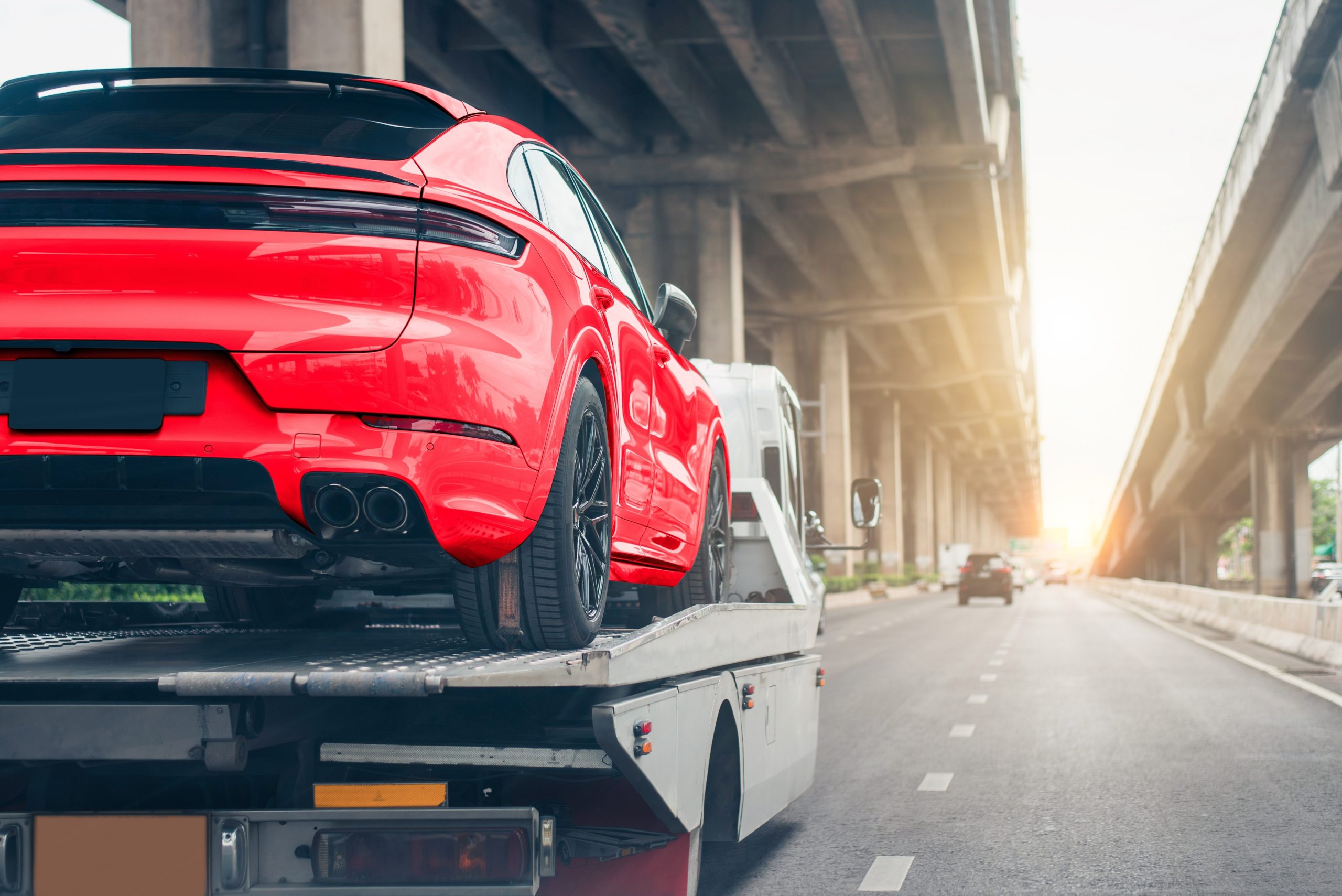

This approach to freight originated from independent truckers using pickups to haul small loads to remote or hard-to-reach locations. Over the years, it has evolved into a type of freight transportation that is essential for hauling goods within a short time frame.
Compared to long-haul trucking, which specializes in cross-country deliveries that can span multiple days, hot shot trucking typically caters to short or regional routes, often completed within the same day.
Hot shot trucks are also lighter and smaller, which makes them easier to maneuver on roads that may not be accessible for longer, heavier trucks. This makes them ideal for hauling construction materials, small to medium-sized machinery, oil, farm supplies, and vehicles.
While hot shot trucking can be considered a form of expedited freight shipping, one major differentiator is the type of trucks used. Hot shot trucking primarily uses medium-duty trucks (Class 3-5). The most popular type is a 1-ton dually pickup, a powerful pickup truck with dual rear wheels. These pickup trucks are usually paired with flatbeds or gooseneck trailers.
Expedite trucking, on the other hand, primarily utilizes vehicles such as cargo vans, straight trucks (also known as box trucks), sprinter vans, and even full truckload tractor-trailers.
In hot shot freight, a customer submits load details to a carrier or load board. An available driver with the right truck and trailer accepts the job, picks up the freight, and drives it straight to the destination without transfers or warehouse stops. The process focuses on quick dispatch, direct delivery, and real-time communication between shipper and driver.
In industries like manufacturing, retail, food & beverage, and chemicals, timing can make all the difference. When you need to move freight quickly, hot shot trucking offers a flexible, point-to-point solution. This freight transportation service uses smaller, agile trucks that deliver directly from pickup to destination and keep your supply chain moving on schedule.
If your company needs to secure fast, flexible freight capacity, here’s a clear walk-through of how hot shot trucking works:
When you book a hot shot shipment, the type of truck and trailer used plays a key role in how efficiently and safely your freight moves. Understanding the basic equipment options helps you choose the setup that best fits your shipment’s size, shape, and handling requirements.
Shipments are typically hauled using pickup trucks classified as Class 3, 4, or 5. These trucks have the power and towing capacity to handle heavy loads without the cost of a full semi-truck. Common examples include the Ford F-350/F-450/F-550, RAM 3500/4500/5500, and Chevrolet Silverado 3500HD/4500HD.
Choosing the right trailer depends on the type of freight you’re moving. Each trailer design offers different loading, clearance, and cargo-securing advantages.
By understanding how each trailer type aligns with your shipment’s size and handling needs, you can work with your logistics provider to select the safest and most cost-effective setup for your load.
Hot shot trucking provides fast, flexible, and cost-effective delivery options for smaller, time-sensitive loads, moving directly from pickup to destination without terminal stops. However, it offers limited capacity compared to full truckload shipping, making it unsuitable for large or heavy freight, and pricing can fluctuate based on urgency and demand.
Below is a comparison table that highlights some of the key differences between hot shot trucking and other common types of trucking:
| Hot shot Trucking | Full Truckload and LTL | Expedite Trucking | |
| Cargo Type | Time-sensitive partial loads | Standard full truckload or less than truckload freight | High-priority shipments that must arrive quickly |
| Truck Type | Class 3-5 pickup/medium truck with a flatbed or gooseneck trailer | Class 8 trucks or tractors with a larger trailer, such as dry van, reefer, or flatbed. | Sprinter/cargo vans and straight/box trucks |
| Delivery Distance | Usually local or regional | Intrastate, interstate or or cross-country | Take the fastest and most feasible route |
| Delivery Time | Short deadlines and fast turnarounds | Scheduled over multiple days | Fast, usually within the same day or overnight |
| Vehicle Access | Smaller rigs that can reach more remote locations | Larger tractors, which need docks and space | Easy to maneuver in cities, alleys, or residential streets. |
| Regulations |
● USDOT and Motor Carrier (MC) number for interstate transport ● Commercial Driver’s License (CDL) for vehicles 26,000 a combined weight |
● Commercial driver’s license (CDL).
● USDOT number and full FMCSA HOS/ELD compliance for interstate operations in heavy tractors. |
● USDOT, CDL thresholds, and HOS/ELD regulations apply when certain conditions are met. |
Hot shot trucking has quickly become one of the most flexible and cost-effective ways to move freight. With medium-duty trucks and flatbed trailers, hot shots can handle time-sensitive loads that big rigs can’t easily reach. This form of freight transportation is designed for speed, accessibility, and independence.
At Sheer Logistics, we understand what it takes to keep freight moving fast and efficiently. Our freight brokerage services help carriers and shippers stay connected, reduce downtime, and deliver every load, on time and within budget.
Sheer Logistics. (n.d.). What is expedited freight shipping? Sheer Logistics. https://sheerlogistics.com/blog/what-is-expedited-freight-shipping/
Sheer Logistics. (n.d.). Freight brokerage services. Sheer Logistics. https://sheerlogistics.com/freight-broker-solutions/
U.S. Bureau of Labor Statistics. (2024, September 4). Heavy and tractor-trailer truck drivers. Occupational Outlook Handbook. https://www.bls.gov/ooh/transportation-and-material-moving/heavy-and-tractor-trailer-truck-drivers.htm



 Sheer Logistics Recognized with an Honorable Mention in the Inaugural 2025 Gartner®...